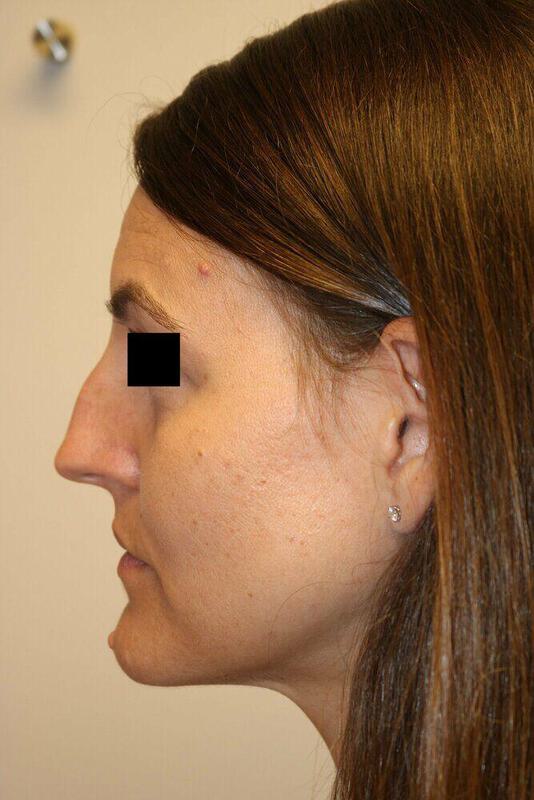
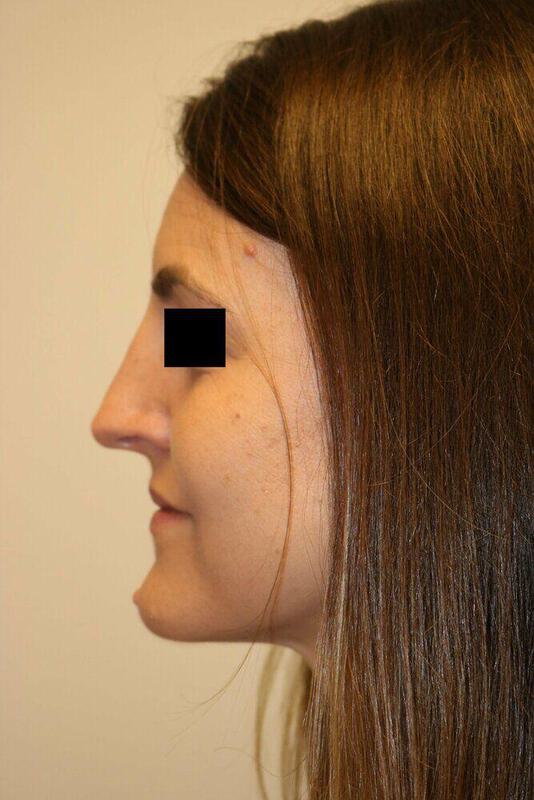
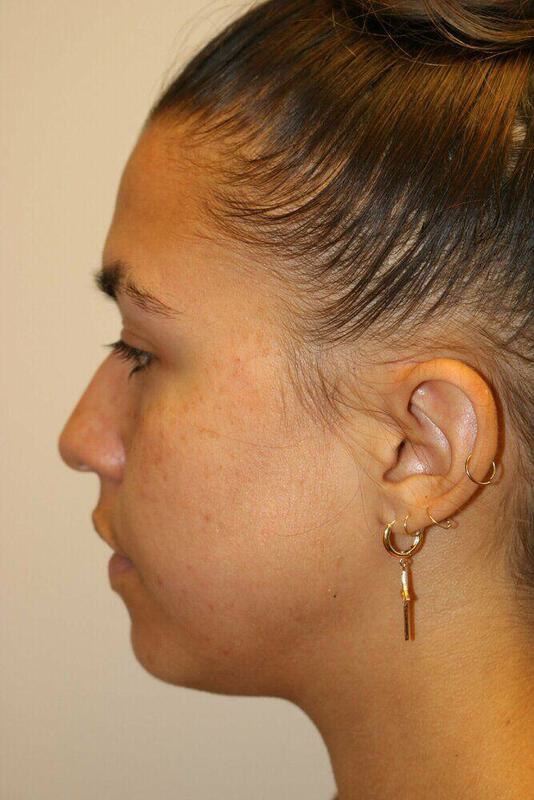
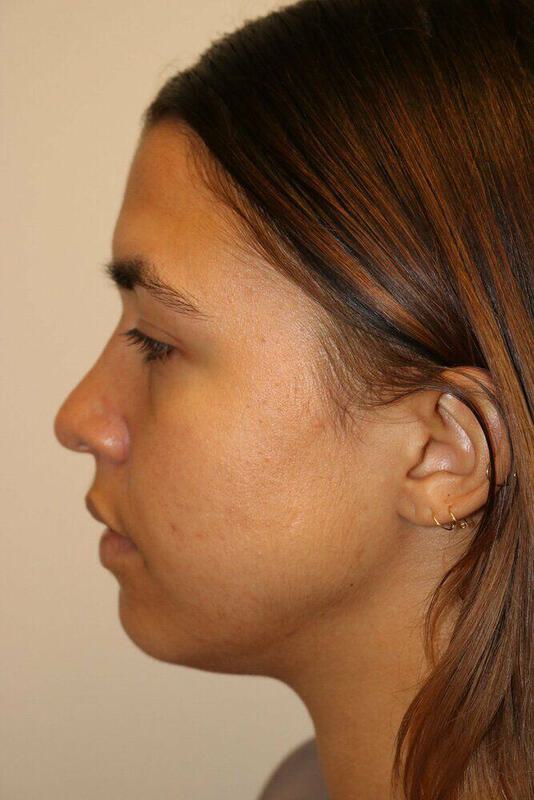
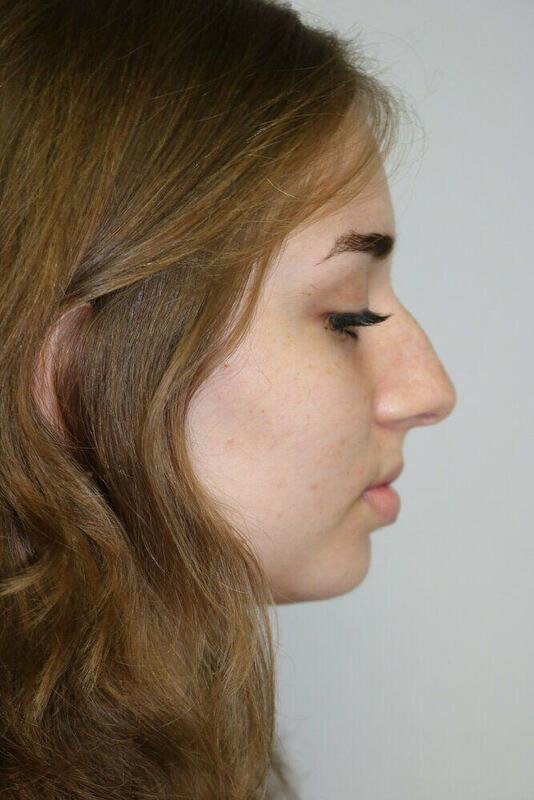
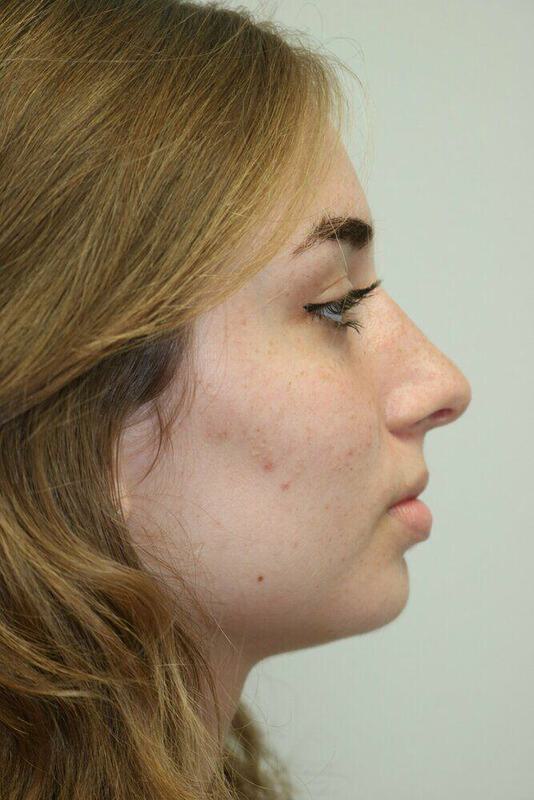
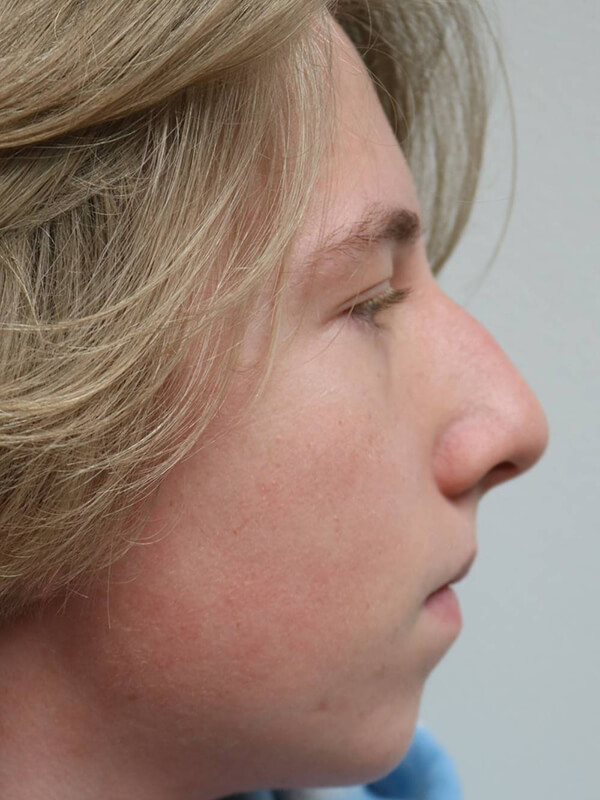
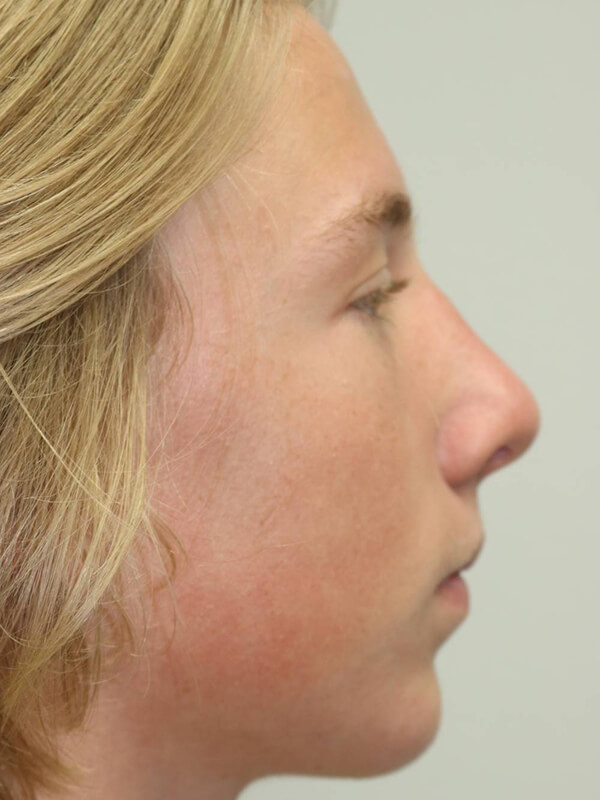
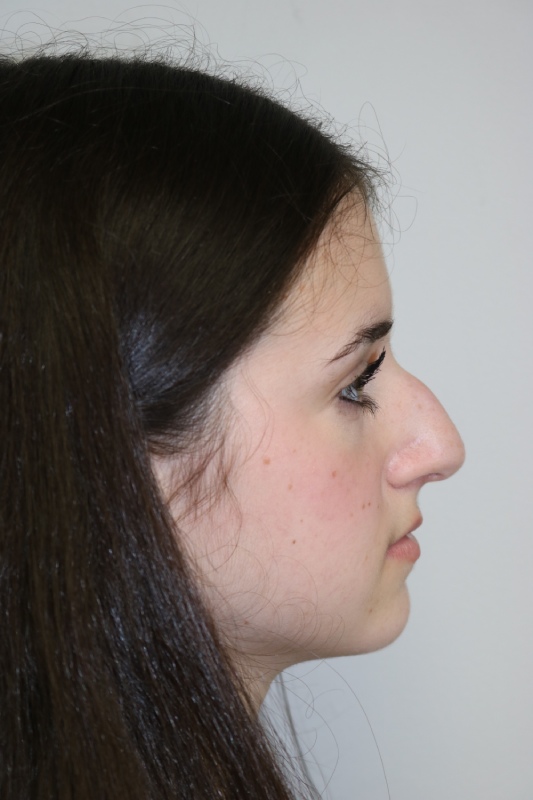
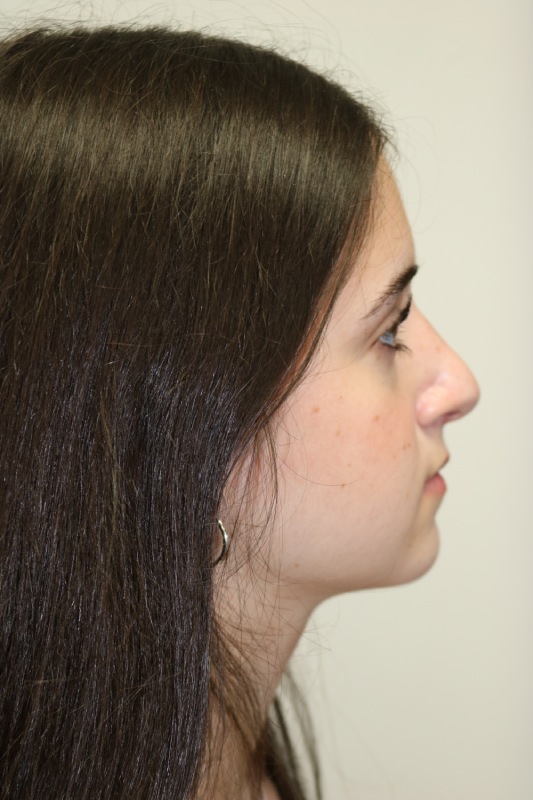
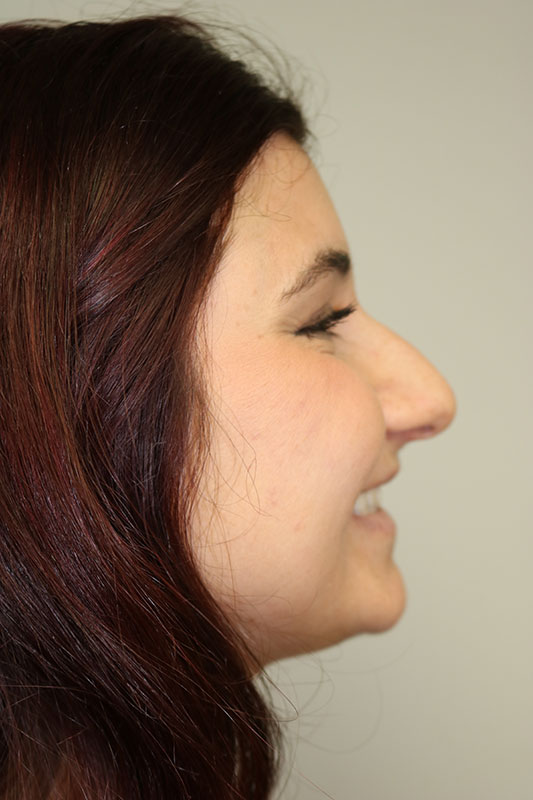
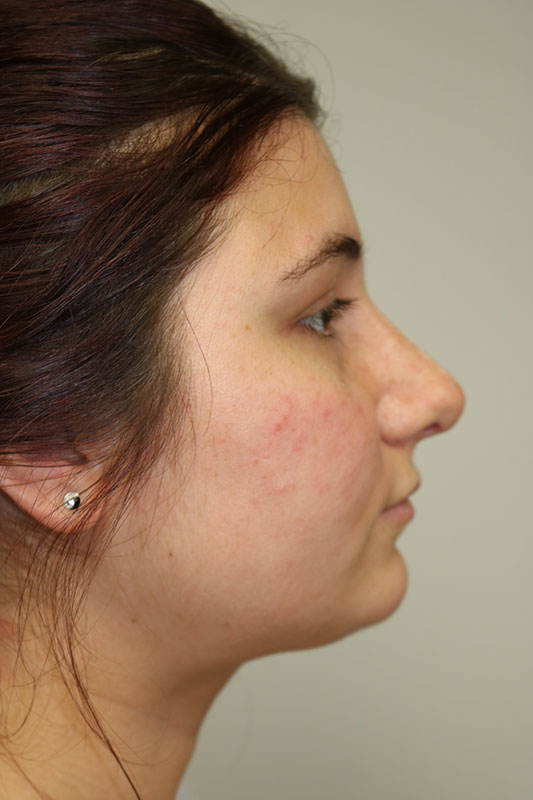
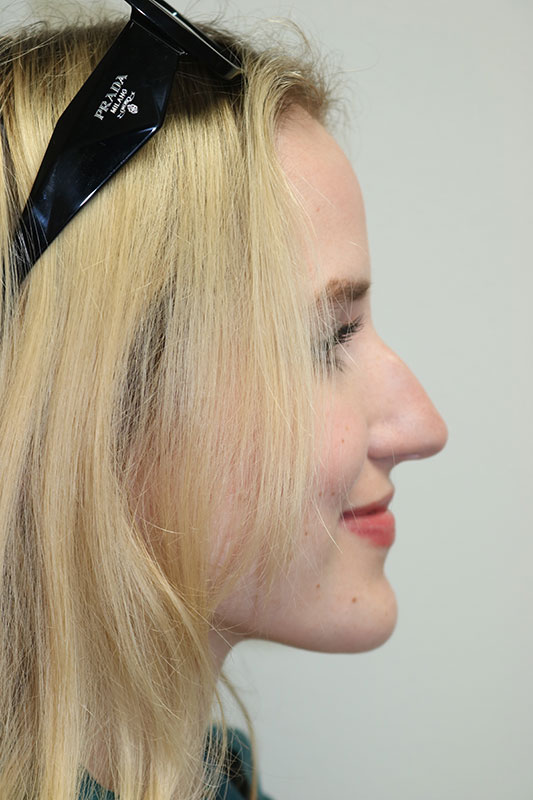
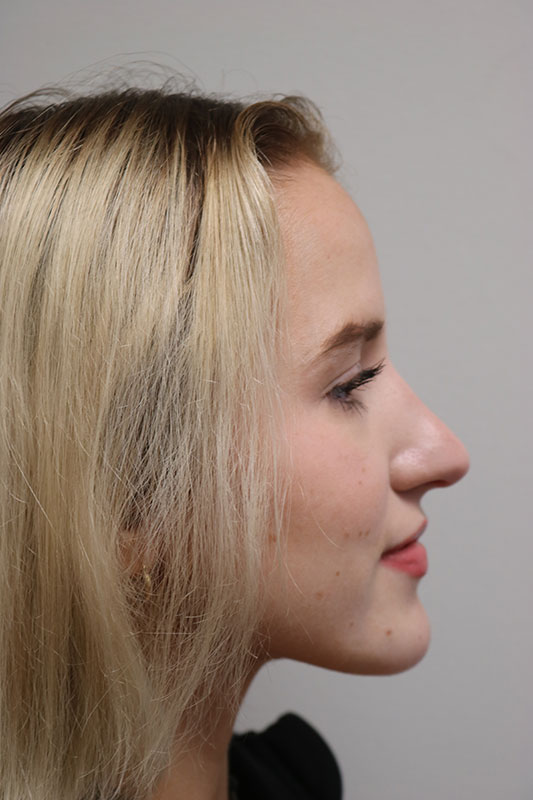
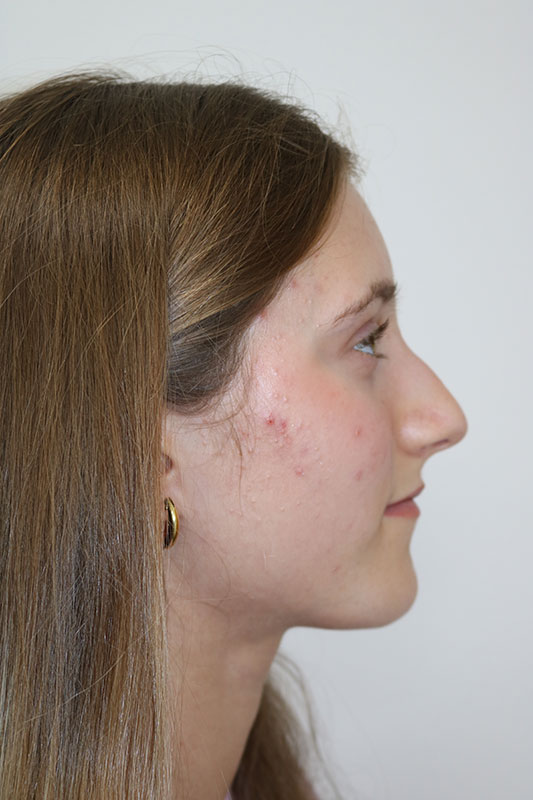
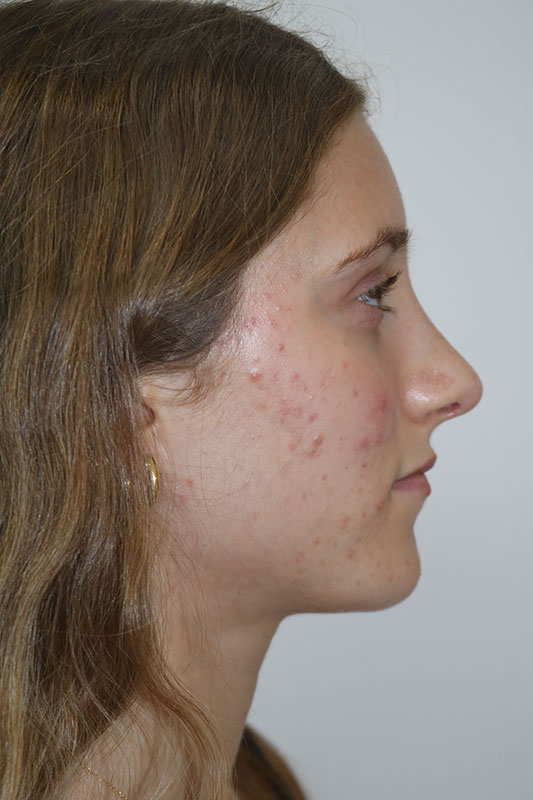
Miami Closed Rhinoplasty Surgery Specialist
Cosmetic nose surgery, often called cosmetic rhinoplasty in the plastic surgery field, is used to improve the facial appearance by altering the proportions of the nose. Many patients choose such a procedure to improve self-confidence. Rhinoplasty is also a procedure used to correct flaws from trauma or birth defects. With cosmetic surgery, we can successfully remove bumps and change the size of the nose, the nostrils, bridge, or tip. Specializing in rhinoplasty Miami double board-certified plastic surgeon and ENT, Dr. Jeremy White, strives to deliver the best rhinoplasty surgery in Miami and surrounding areas. Achieve the look you want with a treatment method tailored to you.
 Swipe To Next
Refine Your Nose’s Look & Function
Rhinoplasty is a nose surgery, often called a nose job, and is among the most complex procedures in aesthetic surgery which requires the skills of a top-level facial plastic surgeon. Some patients come to us because they want a nose that fits their face better while others seek our help because they are no longer able to breathe through their nose after having a rhinoplasty procedure. In terms of functionality, some of our Miami rhinoplasty patients undergo primary surgery to improve breathing function along with septoplasty for a deviated septum and turbinate reduction for more breathing space.
A nose can attract attention for many reasons. Some patients have one feature they have thought about for years, while others feel that the nose as a whole is out of proportion with the rest of the face. Rhinoplasty allows Dr. White to reshape specific nasal structures while considering how each adjustment will affect facial balance, long-term support, and breathing.
Depending on your anatomy and goals, rhinoplasty may address:
These concerns rarely exist in isolation. Narrowing the bridge, refining the tip, or reducing a prominent feature can affect other parts of the nose. Dr. White studies the nose from multiple angles and evaluates its relationship with the chin, cheeks, eyes, and overall facial structure before recommending a surgical plan.
His aim is to create a nose that belongs naturally within your face. The result should preserve your identity, complement your other features, and maintain the structural support needed for comfortable breathing.
cosmetic rhinoplasty procedure
Before undergoing the actual cosmetic rhinoplasty procedure, lab testing and medical evaluation will be required.
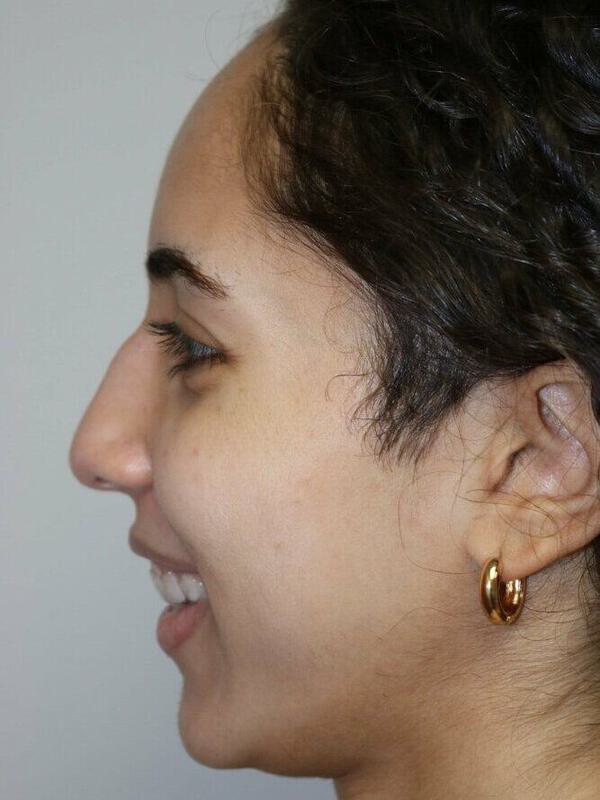
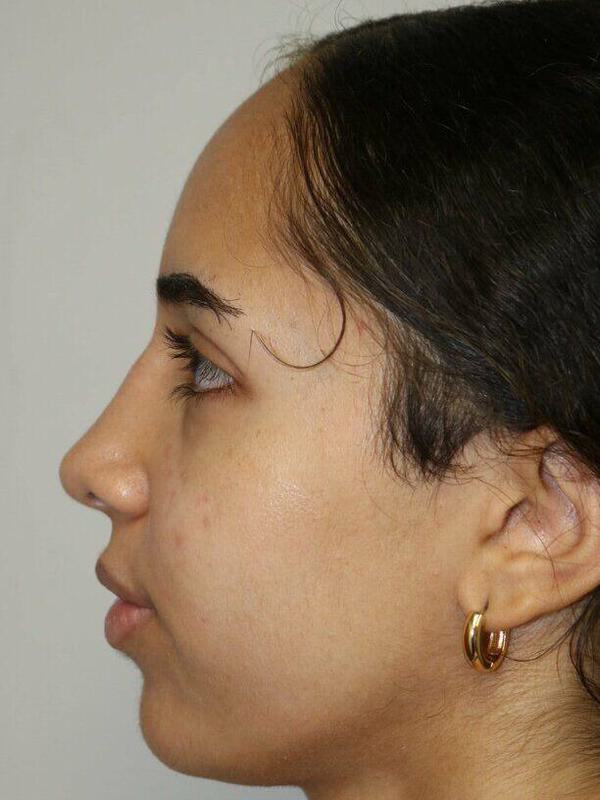
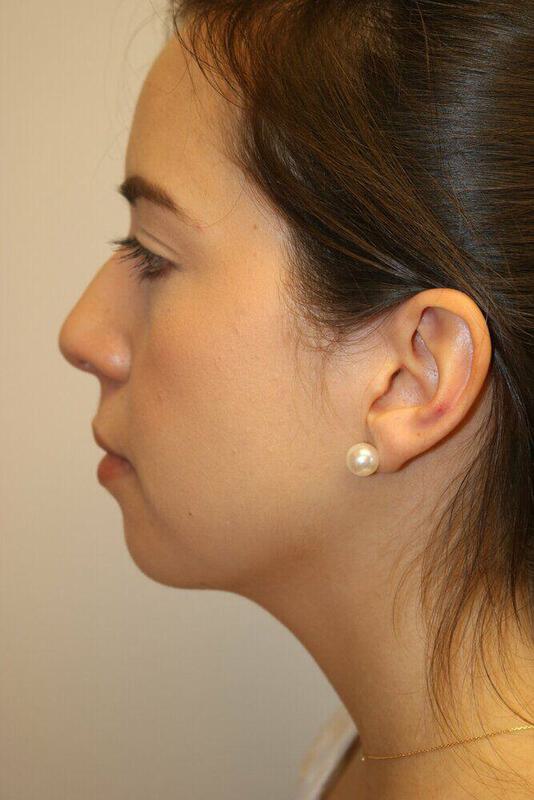
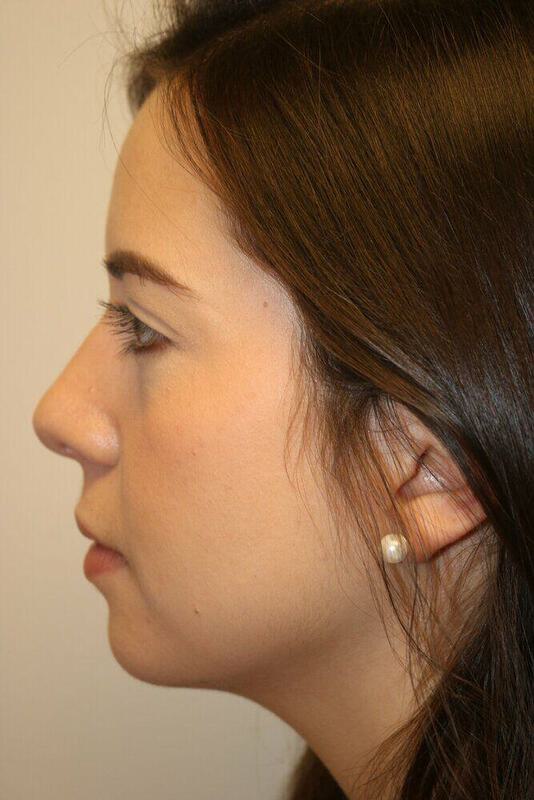
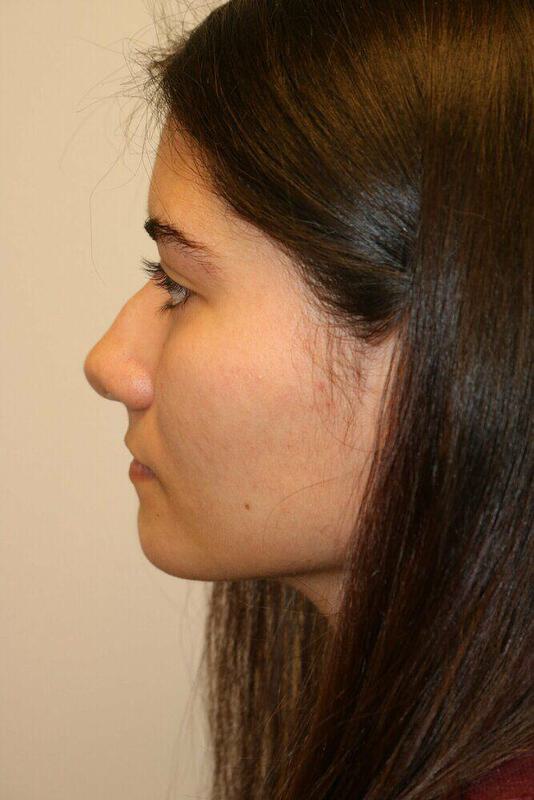
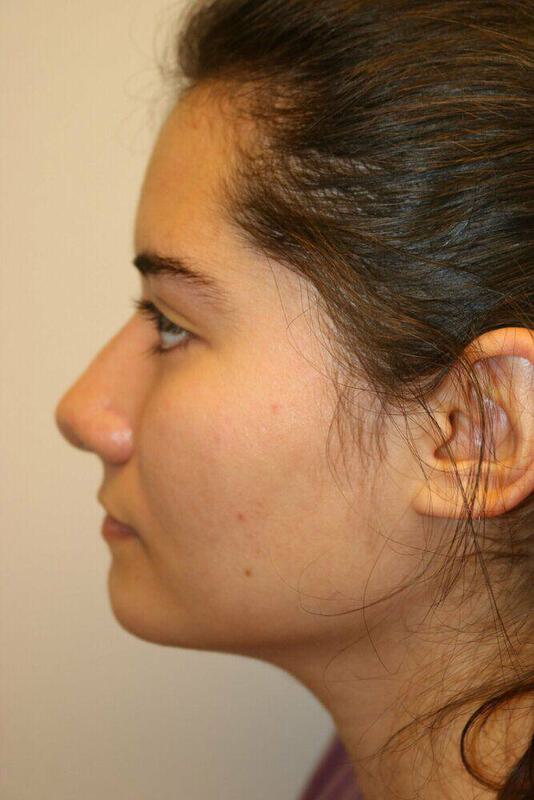
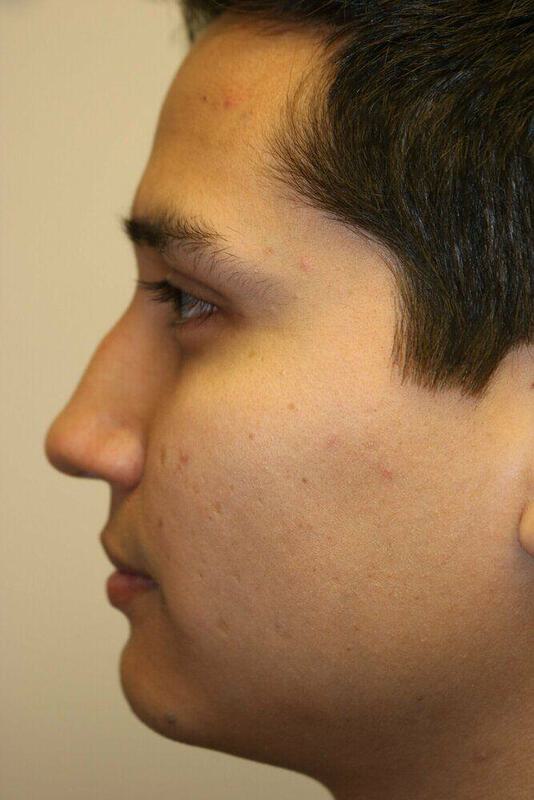
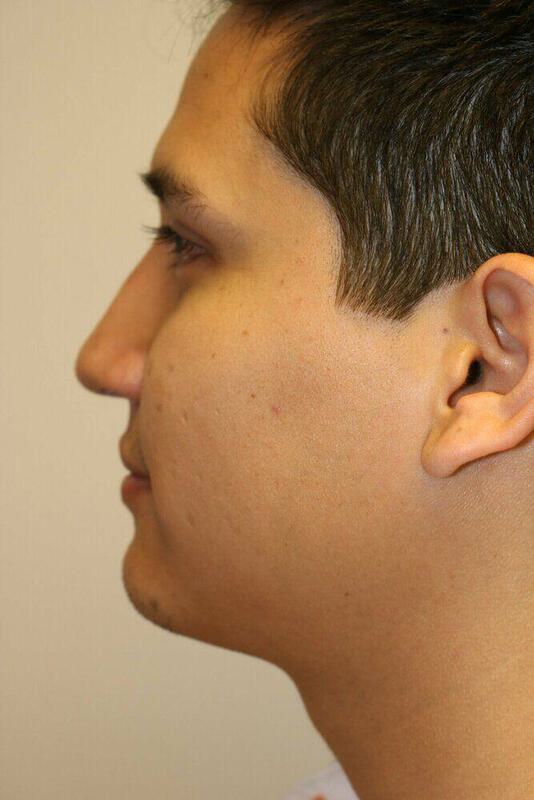
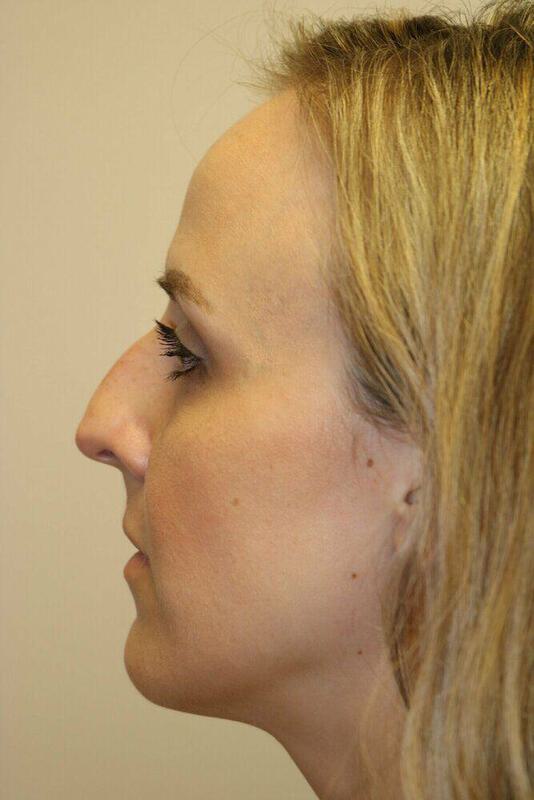
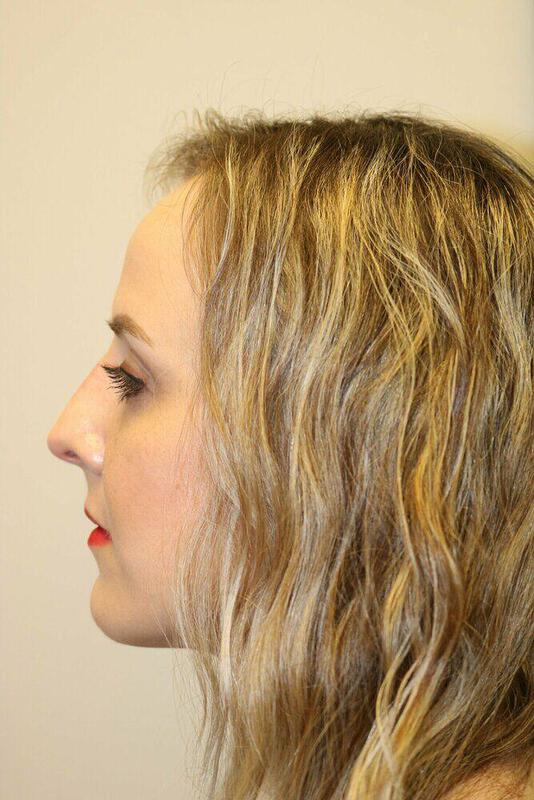
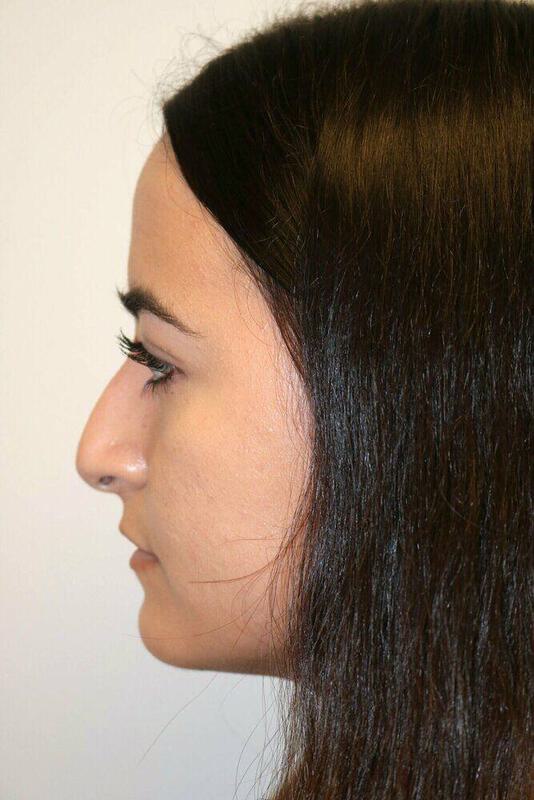
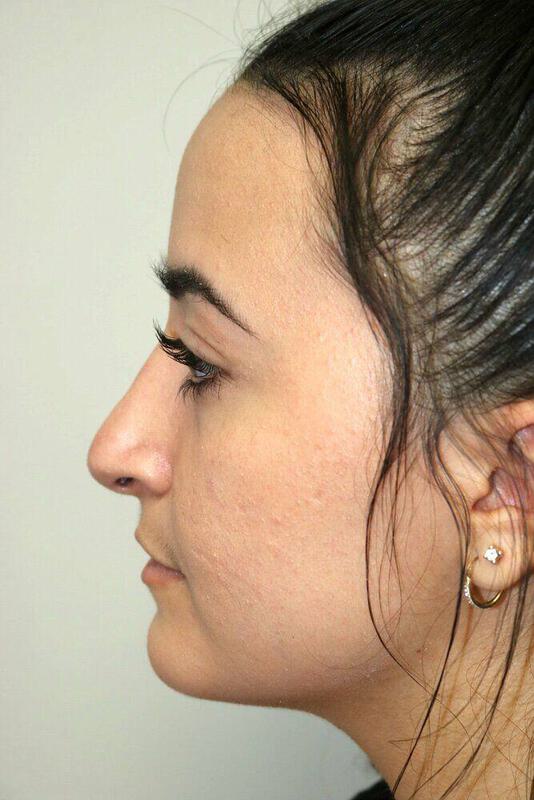
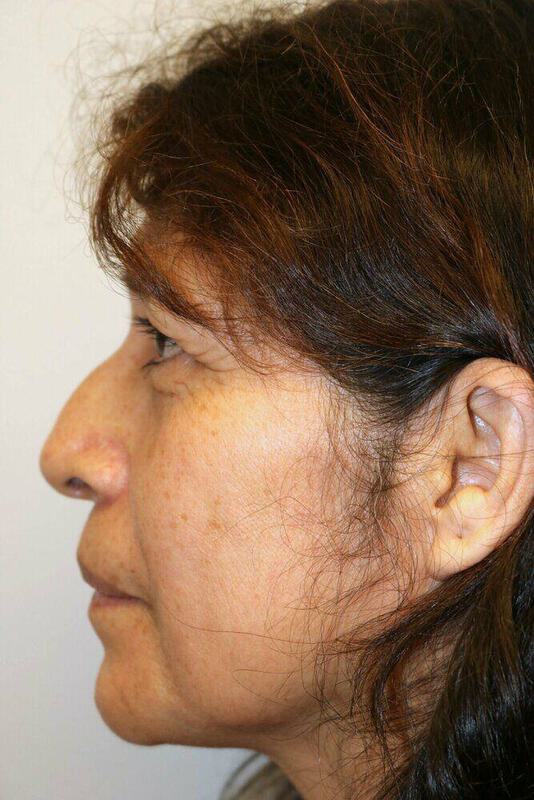
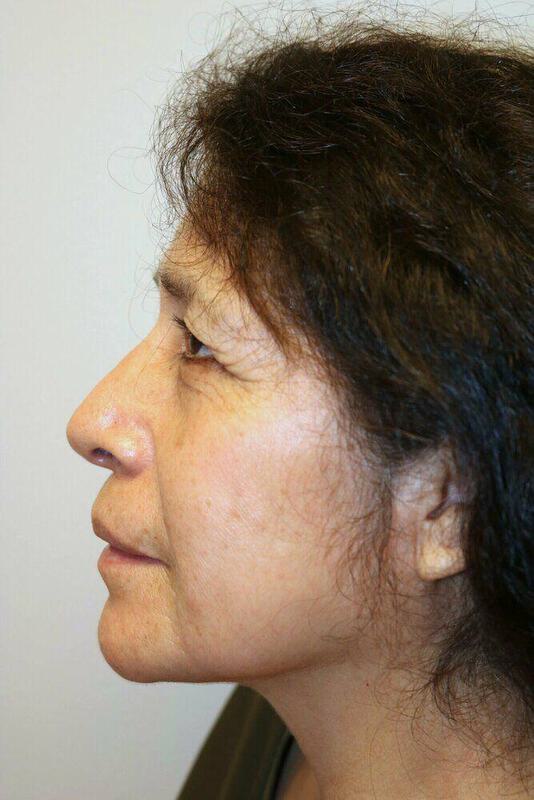
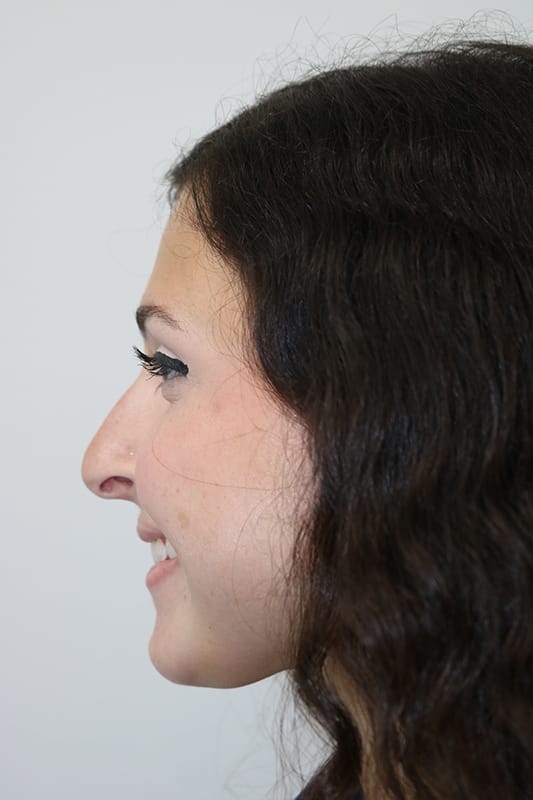
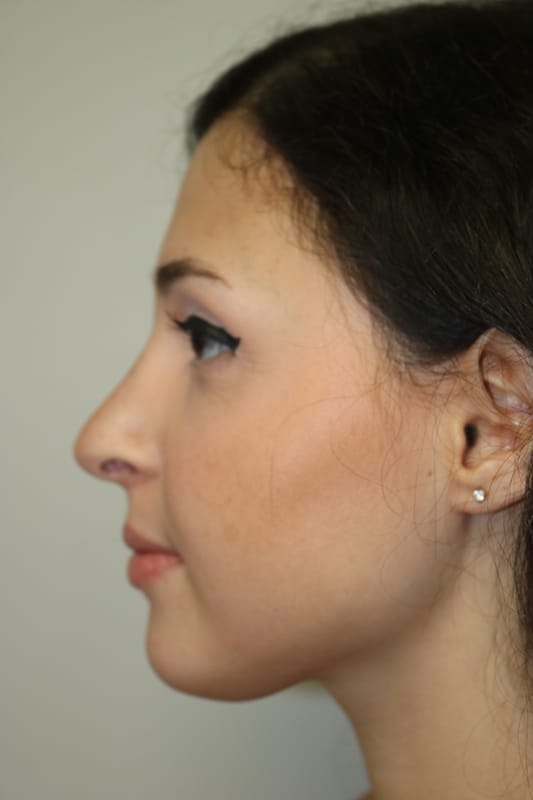
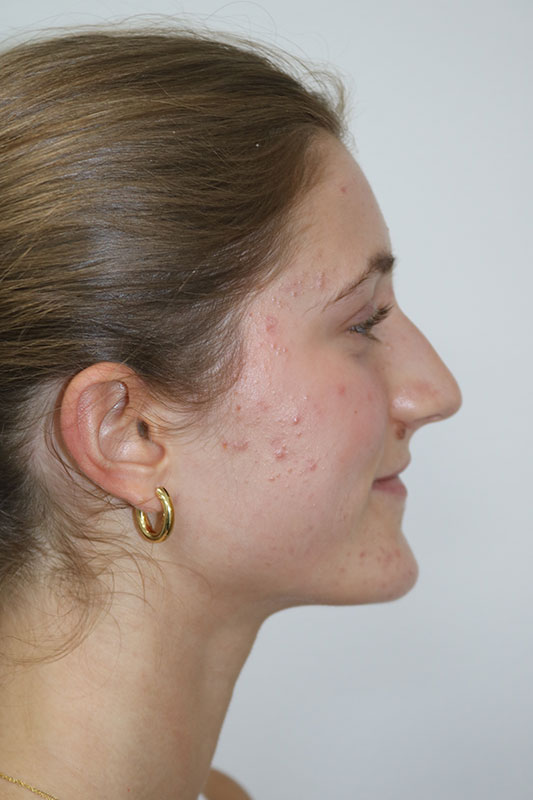
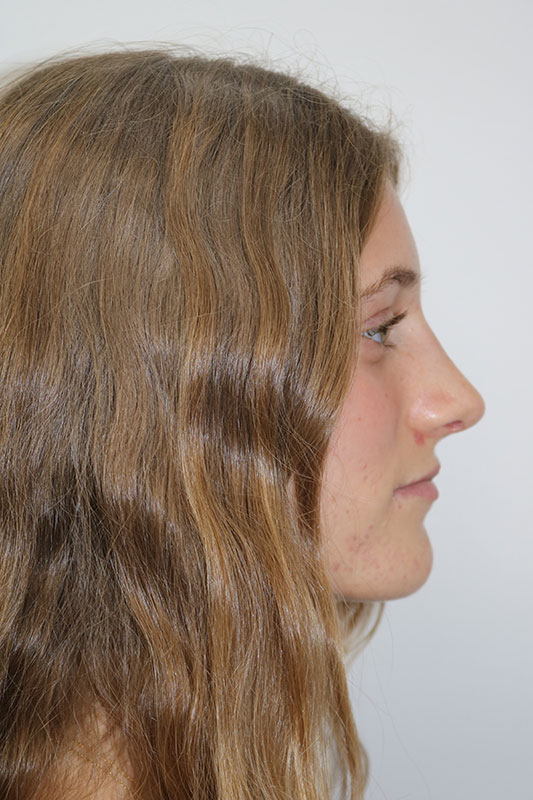
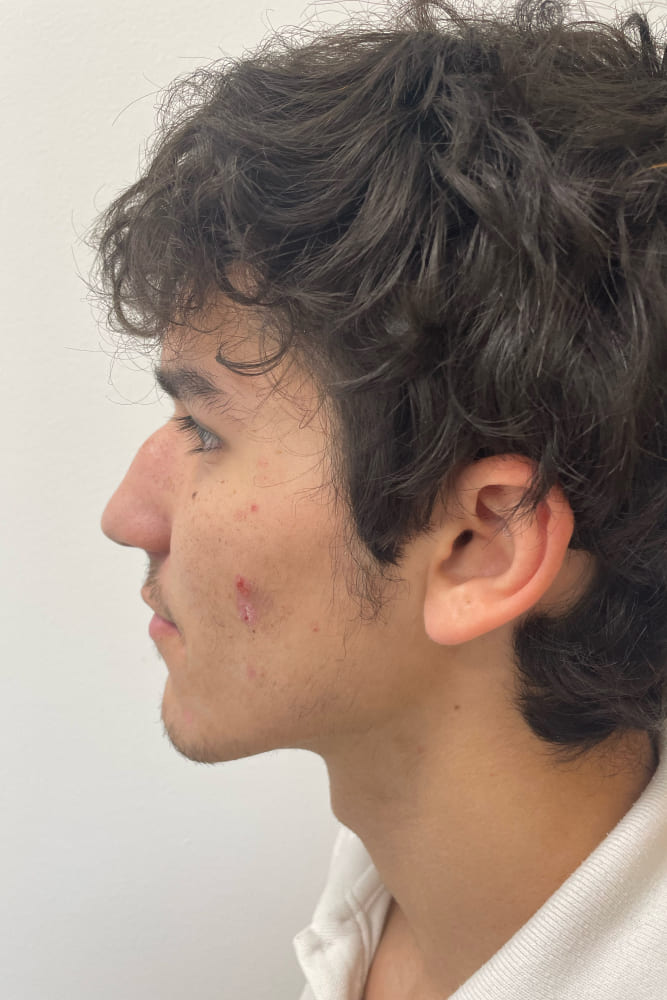
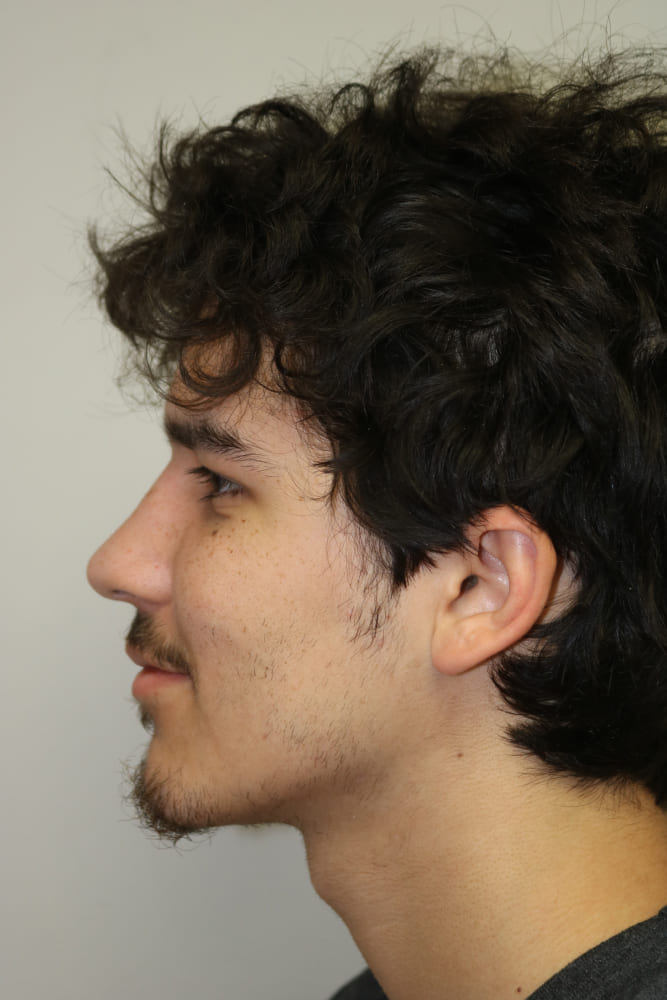
Photographs of the nose will be taken and you will have a very detailed discussion regarding what you like and dislike about your nose and the operative plan that will get you to your goals. The internal workings of your nose will also be discussed to see if any breathing related surgery will be necessary as well. The team will review before and after photos with you along with any “wish pics” that can be used as a communication tool to demonstrate potential post-op results for the patient to review before determining whether the surgery is right for them.
Rhinoplasty may be appropriate if you have a clear cosmetic or functional concern and would like to explore a lasting surgical change. Good candidates are generally healthy, have completed the majority of their facial growth, and understand that the goal of surgery is meaningful improvement rather than a mathematically perfect nose.
You may be a candidate if you:
Age alone does not determine candidacy. For younger patients, Dr. White considers physical development, emotional readiness, and whether the decision reflects the patient’s own wishes. Adults of many ages may be candidates as long as they are healthy enough for surgery and have nasal tissue that can support the proposed changes.
Your consultation will include a discussion of your medical history, medications, previous nasal injuries or procedures, breathing symptoms, and aesthetic priorities. Dr. White will also examine the nose internally and externally. If your goals cannot be achieved safely or a different procedure would serve you better, he will explain that openly.
Enhance Form and Function with Customized Nose Surgery
In terms of functionality, the goal of primary rhinoplasty is to ensure that the patient is capable of clear and easy breathing. When the procedure is for cosmetic reasons, every person's goal is unique. Through aging, trauma, or birth defects, many patients feel less than confident due to an unbalanced nose that is out of harmony with the other facial features. Trauma can lead to bumps, twists, cuts, or depressions on the nose that are permanent. With cosmetic rhinoplasty, these blemishes can be removed completely from the face, restoring a more youthful and beautiful appearance.
Primary rhinoplasty refers to a first-time procedure. Secondary rhinoplasty indicates that a patient has already undergone a previous rhinoplasty surgery. These procedures are typically more complicated than primary rhinoplasty surgeries because Dr. White will need to work with scar tissue and any healing problems created by a previous surgery. Whether you are looking for a nasal tip refinement, a major bump removal, or a revision rhinoplasty to correct a previous surgery, Dr. Jeremy White is a double board-certified plastic surgeon and recognized as one of the best rhinoplasty surgeons in Miami. He can reshape and restore function to noses of all different shapes and sizes.
The reason you are considering surgery helps determine the type of rhinoplasty you may need. Some patients want to refine a feature they were born with. Others are primarily concerned about breathing or need help after an earlier operation.
Nasal obstruction may be related to a deviated septum, narrowed nasal valves, weakened support, prior trauma, or another structural condition. Functional rhinoplasty focuses on improving the anatomy responsible for airflow. Cosmetic changes may sometimes be incorporated into the same surgical plan when appropriate.
Dr. White’s training in both plastic surgery and otolaryngology allows him to evaluate the appearance of the nose alongside its internal function.
A second operation involves different considerations from a first-time procedure. Scar tissue, weakened cartilage, excessive tissue removal, asymmetry, persistent breathing problems, or an outcome that does not fit the face can make surgical planning more complex.
Revision rhinoplasty is designed for patients seeking cosmetic or functional improvement after previous nose surgery. Dr. White evaluates the existing anatomy carefully and may use cartilage grafting or reconstructive techniques to restore support where needed.
Dr. White prefers the closed rhinoplasty approach
To reshape the nose, the surgery is performed using either a closed procedure or open procedure. The closed rhinoplasty procedure involves an incision hidden in the interior of the nose, whereas an open procedure involves an incision along the narrow strip of tissue separating the nostrils called the columella. Dr. White prefers the closed rhinoplasty approach for most of his Miami rhinoplasty patients since this reduces the amount of pain, swelling, and bruising after surgery and avoids a scar on the nose.
No Visible Incisions
Dr. Jeremy White specializes in a closed rhinoplasty procedure which eliminates external incisions and visible scarring. This advanced technique also involves less bruising and an overall faster recovery while disturbing less of the fragile soft tissue of the nose. Most patients can return to their regular activities within a few days, but we still advise against strenuous activity for two weeks after surgery. Closed rhinoplasty offers the most natural-looking results, with no visible indication of surgery after healing.
Many Floridian patients interested in aesthetic nose surgery are concerned about an oversized nose, bulge, or other less attractive structure. In some cases, patients have come to our practice as they have wide, overlarge nostrils and would like a more pleasing nose structure. It is entirely possible to narrow broad or wide nostrils using a nasal base reduction or what is called a “Weir excision”, which narrows the base of the nostrils to reduce size.
During this procedure, a small crescent-shaped piece of tissue is removed from each side of the nostrils. For some cases of big nostrils, a small incision in the crease of the nostrils will be needed to achieve the most attractive result. Your surgeon will remove a wedge from each nostril and then carefully stitch incisions closed to form a smaller nostril opening.
The scar is minimal, and there is no need to worry about flaws in appearance after healing, as the incisions are well hidden in a natural crease. The aftercare procedure for such a nose surgery is usually quite simple, simply requiring the application of antibiotic ointment twice daily during the first two weeks after surgery. You need to try to refrain from sneezing, and avoid any heavy lifting for approximately two weeks.
Optimal Healing for Stunning Results
Recovery from rhinoplasty varies from patient to patient, but most experience some degree of swelling, bruising, and mild discomfort during the initial healing period. Typically, the most intense swelling subsides within the first week, and many patients feel comfortable resuming light activities after about 7-10 days. During this time, it is essential to follow the surgeon’s aftercare instructions to minimize complications and promote optimal healing.
Full resolution of swelling and the final shape of the nose may take up to one year to fully reveal, but the initial results become apparent within a few weeks. Dr. White and his team will provide personalized guidance during follow-up visits to ensure your recovery progresses smoothly.
The results of rhinoplasty are highly individualized, with the final outcome influenced by factors such as skin thickness, cartilage structure, and the specific goals of the surgery. Patients can generally expect an improved nasal shape that better complements their facial features, enhancing both aesthetics and, in cases of functional rhinoplasty, breathing quality.
While the most significant changes are noticeable within the first few months, subtle refinements will continue as residual swelling dissipates over the course of a year. Dr. White’s technique focuses on maintaining a natural appearance, so the nose harmonizes with the rest of the face rather than appearing overly altered.
Patients often report a boost in confidence following rhinoplasty, especially when the procedure addresses long-standing aesthetic concerns or functional impairments. Dr. White prioritizes achieving balanced, symmetrical results that align with the patient’s unique facial structure, leaving patients satisfied with both form and function.
Rhinoplasty results emerge gradually as swelling recedes and the skin settles over the reshaped nasal framework. Although you will notice a change early in recovery, the appearance of your nose during the first few weeks is only the beginning.
The first few weeks: Once the splint is removed, the new shape becomes visible, but swelling may make the bridge or tip look wider than expected. Temporary asymmetry can also occur because each side of the nose may heal at a different pace.
One to three months: Much of the obvious swelling typically improves, allowing the proportions of the nose to become clearer. The tip may still feel firm or look slightly full, particularly after extensive tip work.
Three to six months: Definition continues to develop as the tissues soften. Small fluctuations in swelling may occur and can be more noticeable in the morning, during warm weather, or after increased activity.
Around one year: Many primary rhinoplasty patients can appreciate a result close to their final outcome. Residual tip swelling may continue to refine beyond this point. Patients with thicker skin or those undergoing revision rhinoplasty may need additional time.
Once healing is complete, rhinoplasty can create a lasting change in nasal shape. Natural aging and gradual tissue changes will continue, but the structural improvements made during surgery generally remain. Dr. White monitors healing during follow-up appointments and lets each patient know when the nose has reached important recovery milestones.
The final result should look balanced from the front and profile while remaining natural in motion and expression. When functional concerns are treated, the goal also includes maintaining or improving the nasal airway. Individual results will depend on anatomy, skin thickness, healing patterns, and the complexity of the operation.
Prioritizing Self-Care for Lasting Results
Taking care of yourself after rhinoplasty is essential for a smooth recovery and maintaining long-lasting results. Your body needs time to heal, and your commitment to proper aftercare plays a significant role in achieving the best possible outcome. Most patients take a few days off from work or school to rest and recover.
While initial swelling and tenderness are normal, they will gradually subside as your body heals. You may experience a "stuffy" feeling for a few weeks, but this should improve over time. Following your surgeon's guidelines is crucial to not only aid in healing but also to ensure your new nose retains its refined shape and function.
To help maintain your rhinoplasty results and support the healing process, consider these aftercare tips:
Long-term, maintaining your rhinoplasty results requires ongoing care. Stay hydrated, eat a balanced diet, and avoid smoking, as it can impede healing. Our medical team will closely monitor your progress and provide personalized guidance to ensure lasting results. Remember, patience and proper aftercare are the keys to enjoying your beautifully refined nose for years to come.
Invest In Confidence
Cost varies and depends on the extent and complexity of the procedure. Revising a different doctor’s surgery tends to be more expensive than doing the first nose job surgery. ARC Plastic Surgery accepts some insurance, which could reduce some of the costs that are associated with the functional nasal breathing aspects of surgery. As Dr. White takes a very individualized approach to each nose job, it is impossible to give an accurate price on the cost for rhinoplasty without a consultation and evaluation of your skin, cartilage, and hearing what you are hoping to achieve. The best way to find out the cost of your rhinoplasty in Miami is to come to the office for an in-person consultation. A physical exam, as well as your full medical history and surgical goals are all important points in determining the right treatment plan for surgery.
skill and experience
As with any Miami plastic surgeon, you should research the doctor regarding reviews and results. Reviews and patient comments are easily accessible on the internet. Dr. White has many, many positive reviews from happy patients that you can read. The next step is to meet him. A good rapport between patient and doctor is critical. This is a relationship you are creating with a doctor and, if you don’t understand each other or feel that you dislike each other from the beginning, this adds unnecessary stress on the entire process. We believe you will discover one of the friendliest, compassionate people in Dr. White, and we invite you to meet with us at a time that works for you.
Rhinoplasty is one of the most complicated and delicate plastic surgery procedures. It is important that your surgeon has extensive training and experience for a successful nose job surgery. Some important points to review to ensure you have excellent treatment are board certification by the American Board of Plastic Surgery and membership in the American Society of Plastic Surgeons, which indicate that the surgeon has gone through rigorous plastic surgery training and is well regarded in the medical community.
The American Board of Otolaryngology – Head & Neck Surgery certification means that the surgeon has advanced education and skills in correcting the function of the nose through various surgical procedures. For outstanding rhinoplasty results, it is best to choose a North Miami surgeon who understands how to manage both the functional (breathing) and cosmetic aspects associated with nose surgery.
Rhinoplasty demands an understanding of appearance, airflow, and structural support. A small change to cartilage or bone can influence how the nose looks, how it heals, and how comfortably a patient breathes.
Dr. Jeremy White is board-certified in both plastic surgery and otolaryngology–head and neck surgery. This combined training gives him a detailed perspective on the external proportions of the nose and the internal structures responsible for nasal function. He can evaluate cosmetic concerns while remaining attentive to the septum, nasal valves, cartilage support, and airway.
His background in biomedical engineering also shapes the way he approaches nose surgery. Rather than viewing the nose as a collection of separate cosmetic features, he considers how its supporting structures work together. This is especially important when refining a nasal tip, reducing a bridge, correcting asymmetry, or rebuilding a nose affected by injury or previous surgery.
Dr. White has extensive experience with closed rhinoplasty and prefers this approach for many patients because the incisions are placed inside the nose. He selects the operative technique according to the individual case, however. More complex anatomy, major reconstruction, or revision surgery may require a different approach to give him the necessary visibility and control.
Every plan begins with careful listening. Dr. White asks what bothers you, studies how the nose relates to your other features, and explains what surgery can realistically accomplish. He does not begin with a standard nose shape or impose his own aesthetic on every patient.
His philosophy is simple: a successful rhinoplasty should bring the face into better balance while preserving the qualities that make it yours. Whenever functional treatment is needed, the nose should also receive the support required to breathe well.
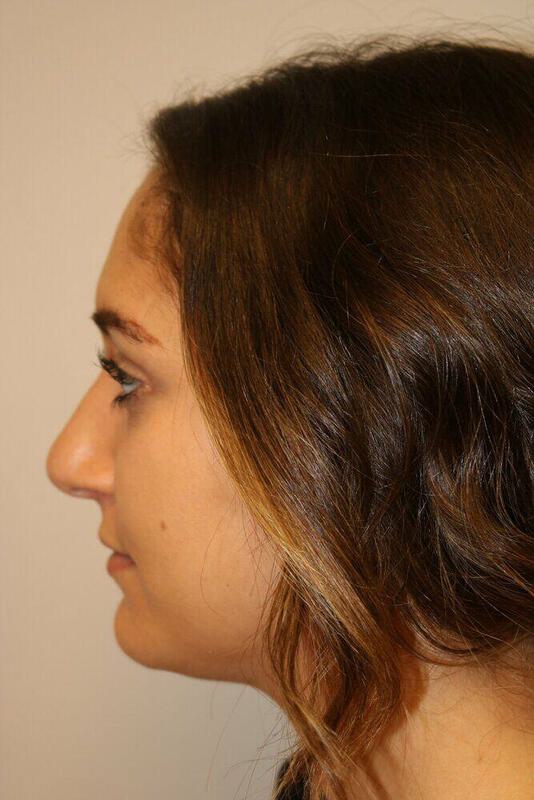
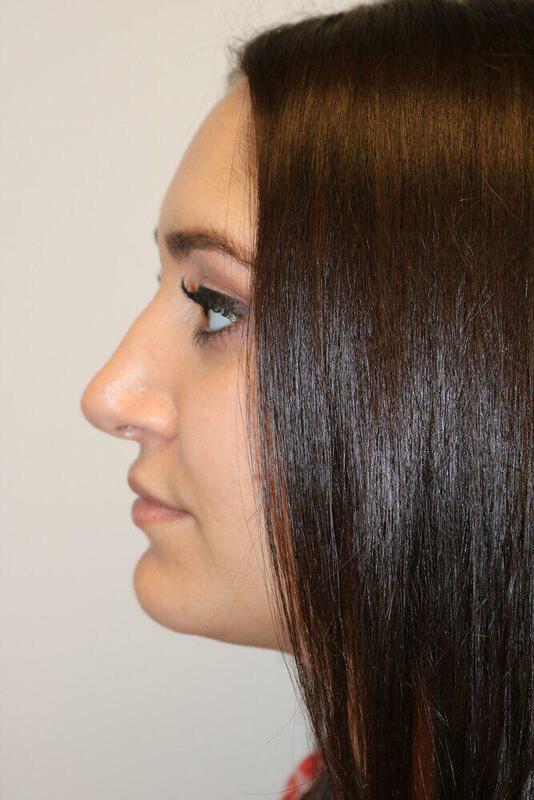
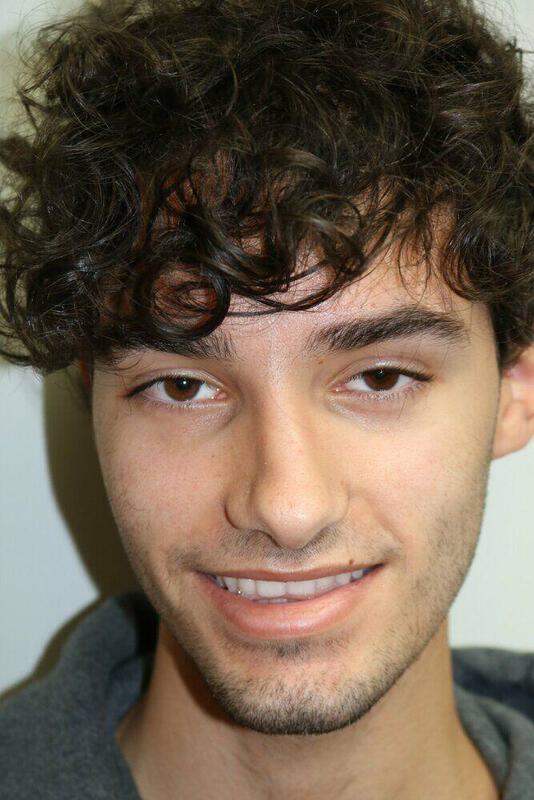
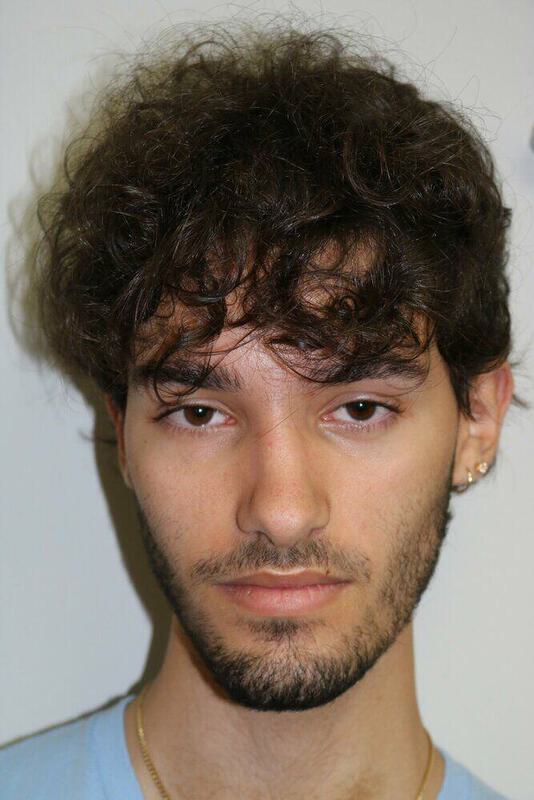
Rhinoplasty Testimonial
Rhinoplasty Patient Testimonial
Rhinoplasty Patient Testimonial
achieve a natural and balanced appearance
Beyond his focus on rhinoplasty procedures, Dr. White also has expertise in a wide variety of other aesthetic procedures, including facelifts, eyelid lifts (blepharoplasty), breast augmentation, and tummy tuck procedures (abdominoplasty). His wide client base includes patients from all walks of life, from Miami models, busy moms, physicians, to active business professionals who come to him for his minimally invasive treatments, and less post-surgical swelling and downtime.
Dr. White uses his background in plastic surgery and otolaryngology (specializing in conditions of the ear, nose and throat) to identify and correct the underlying causes of medical problems and cosmetic imperfections of the nose and face, and procedures that achieve a natural and balanced appearance. During the initial consultation, he will listen closely to your goals and expectations, and explain what can be accomplished in surgery. Dr. White’s goal is to achieve a beautiful and functional nose that fits within the patient’s unique aesthetic and ethnic ideals.
Double Board-Certified Plastic Surgeon
Dr. Jeremy White
If you are interested in rhinoplasty in Miami, call ARC Plastic Surgery to schedule an evaluation and speak with our double board-certified plastic surgeon to determine whether the procedure is right for you. We serve patients across the planet, but if you live in the Miami area, including the communities of Fort Lauderdale, Hollywood, FL and Aventura, our office is in your area and you have direct access to a highly-respected double-board certified rhinoplasty surgeon with Dr. Jeremy White.
What our clients have to say…
Yes, certain functional aspects of rhinoplasty may be covered by your medical insurance. Procedures to improve breathing through the nose such as septoplasty, inferior turbinate reduction, and nasal valve surgery may be covered, wholly or partially, depending upon the terms of your health insurance plan. Rhinoplasty performed for aesthetic purposes is not covered by insurance, but by combining the aesthetic aspect with the functional correction, you can significantly reduce out-of-pocket expenses.
Dr. White will usually have patients wait until they are around 16 years old prior to rhinoplasty so as to give the nose a chance to finish maturing and growing. If you are under eighteen years old, your parents or legal guardian must attend the consultation, and approve the procedure. Determining whether someone is a good candidate for a nose job has more to do with nasal development than the age of the patient. If the surgery is performed before the nose has fully developed, two things could happen: the surgery may partially hinder development, and/or future growth may impact the appearance of the nose in time. Nose growth is usually complete at about sixteen years of age, as an average. Typically, the surgery is performed after this time, except in cases of trauma.
Image morphing can sometimes be a helpful communication tool between Dr. White and his patients, but is not a hard and fast guarantee of a specific result. Surgery has limitations, due to skin thickness, cartilage strength, and the person’s unique biological healing process that cannot be determined by looking at a photograph.
Rhinoplasty is a very safe operation in the right surgeon’s hands and in healthy patients. Dr. White requires medical clearance prior to the surgical procedure, which means that the patient gets a full medical history and an okay from your medical doctor to ensure the risks of the procedure are low from a medical standpoint.
Other risks include, but are not limited to bleeding, infection, need for more surgery, changes in voice, changes in the ability to smell and breathe through the nose, swelling/bruising, and external nasal irregularities. Dr. White will review this with you in detail and his plan to minimize these risks prior to your procedure. Rhinoplasty is a safe operation, and one of Dr. Jeremy White’s specialties.
There are two major types of anesthesia for rhinoplasty: “Twilight” (half-sleep, no breathing tube) and general (completely asleep with a laryngeal mask or breathing tube). Both are safe for the right patient. The decision depends on your pre-existing medical conditions and the complexity of the operation. Dr. White only does rhinoplasty at AAAASF certified surgical facilities (ambulatory surgery center) and hospitals with board-certified anesthesiologists supervising the use of anesthesia to ensure additional safety for your procedure, and protect your health during surgery.
The approach to rhinoplasty surgery in African American and Asian patients is often very different than for many Caucasians. Dr. White spends time with each of his patients trying to understand what they like and do not like about their noses. What is beautiful in one culture might not be considered desirable in a different culture. Many patients would like to “westernize” their noses by making them narrower or creating a higher bridge.
The first thing to understand about ethnic rhinoplasty is that there is no one type of “ethnic” nose, nor is there one surgical solution. Dr. White prefers to analyze the unique nose in terms of skin thickness (wrapping paper of the nose) and the strength and size of the cartilage framework (the gift box inside). It is much easier to obtain an appealing, attractive result in a patient with thin skin and strong cartilage structure. When patients have thick skin, the “wrapping” may not shrink around the rebuilt or reshaped framework in the same manner.
In patients with weak cartilage support, surgery often requires grafting (addition of cartilage) to achieve the cosmetic changes that the patient envisions. Cartilage sources for these grafts can be from inside the nose (septum), the ears, the patient’s rib, or treated and sterilized cadaver rib sourced elsewhere. Each source has its use and will be selected to achieve the desired results for each individual patient. The alternatives to cartilage for nasal augmentation (building a taller or higher nose) are silicone, Medpor, or gortex implants. Although these implants are widely used, Dr. White prefers to avoid them when possible as these products are more prone to infection and rejection by the body. Dr. White always strives to achieve a long-lasting, beautiful rhinoplasty result while minimizing the potential risks and associated complications.
Non-surgical rhinoplasty, or non-surgical nose job, is the alteration of nasal appearance with the injection of filler materials. This is not a procedure for every case, but as it requires little to no downtime, minimal bruising, and immediate results, it can be beneficial for some patients. This is a great way to fill in small divots on the nasal dorsum (bridge), or even add height or length to the nose. Dr. White uses hyaluronic acid injections to achieve these results, an off-label, but safe use of the product in the nasal dorsum. He does not advocate using this filler in the nasal tip as there is a higher risk of damaging the skin and affecting blood supply. These injections yield a temporary result, but they are an effective way to get a preview of how a cartilage graft might appear after rhinoplasty. Dr. White uses a numbing medication on the skin prior to these injections to make this a relatively pain-free procedure in the office, and doesn’t require general anesthetic.
LEARN MORE HERE!Your new life starts here
If you’re considering plastic surgery in Miami, Aventura or Fort Lauderdale, choosing the right plastic surgeon could not be more important. Dr. Jeremy White is the recipient of many honors and awards, including the 2021 Doctor’s Choice Award Miami, the 2016 RealSelf Top 500, and the prestigious Castle Connolly Top Doctors Award Winner since 2017. We invite you to have a consultation about the procedure you need. Schedule your consultation today.